
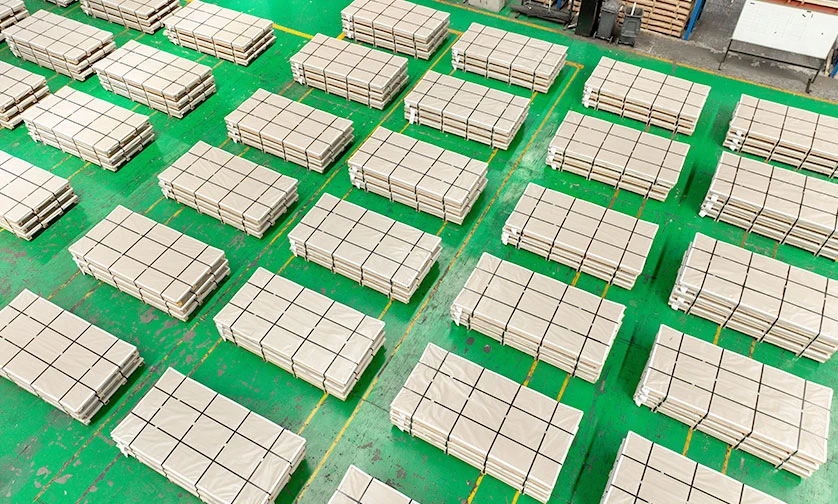
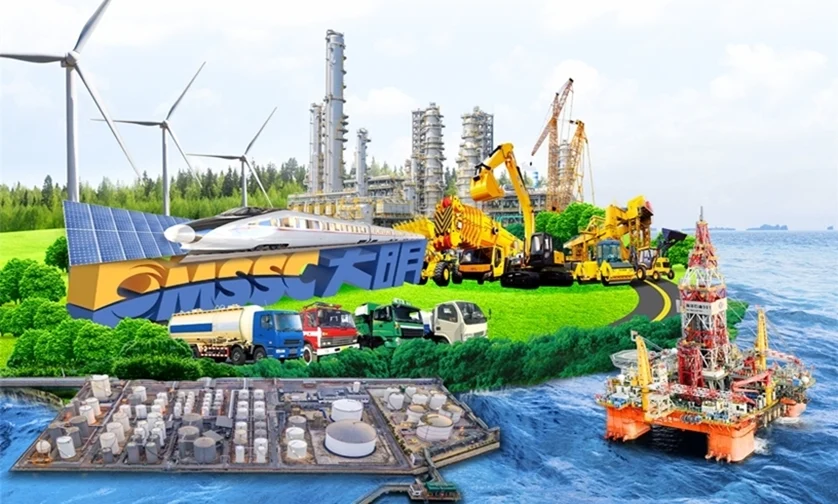
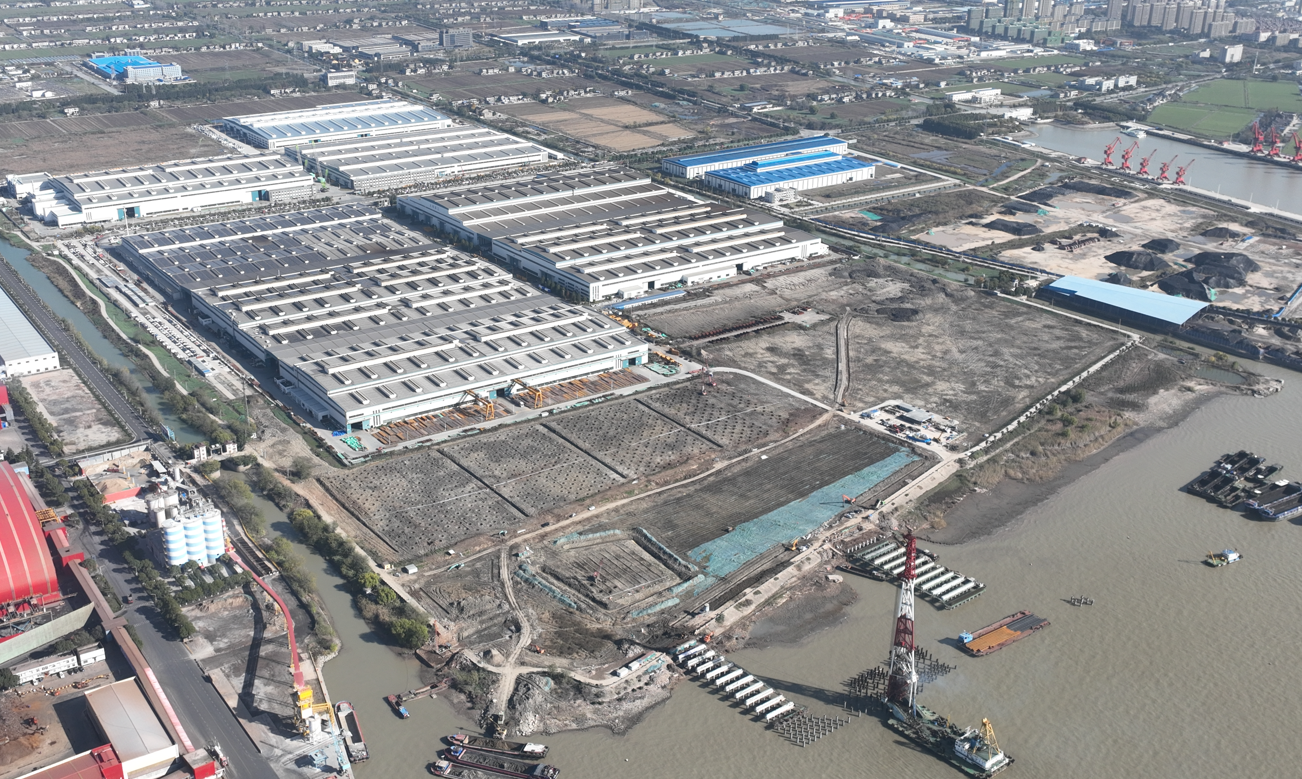
Daming Group has reported a strong start to 2026, with first-quarter sales of stainless steel for automotive exhaust systems rising 11% year-on-year. The result comes despite a challenging environment for the domestic automotive market and highlights the company’s resilience and competitive strength.
At the beginning of the year, China’s passenger vehicle market faced several headwinds, including the timing of the Spring Festival, policy adjustments, and a temporary slowdown in domestic demand. As a result, growth across traditional fuel vehicle supply chains remained subdued. Against this backdrop, Daming’s core automotive stainless steel segment stood out, continuing its steady upward trajectory and outperforming the broader market.
Resilient Growth in a Challenging Market
Daming’s performance builds on a solid foundation established in 2025. While the domestic pure gasoline vehicle market declined by 9% last year, the company achieved 175,500 tons in sales of stainless steel for exhaust systems—an increase of 16% year-on-year that exceeded its annual target.
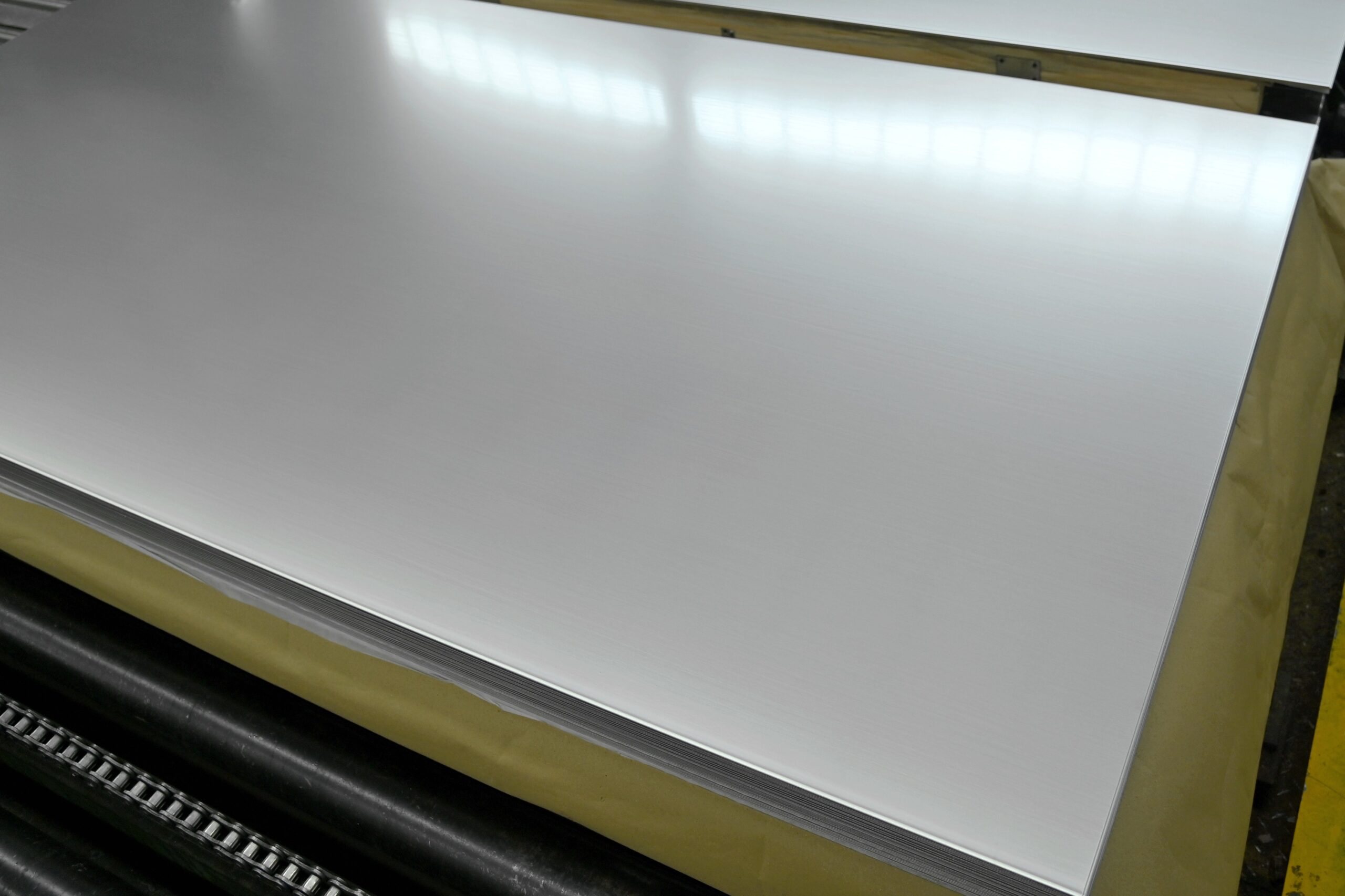
Momentum carried into 2026. In January alone, sales reached 17,400 tons, marking a significant 43% year-on-year increase and setting a strong tone for the year. The continued 11% growth in the first quarter highlights the segment’s resilience and its ability to maintain steady performance even during slower periods in the industry.
Focused Strategy and Strong Capabilities
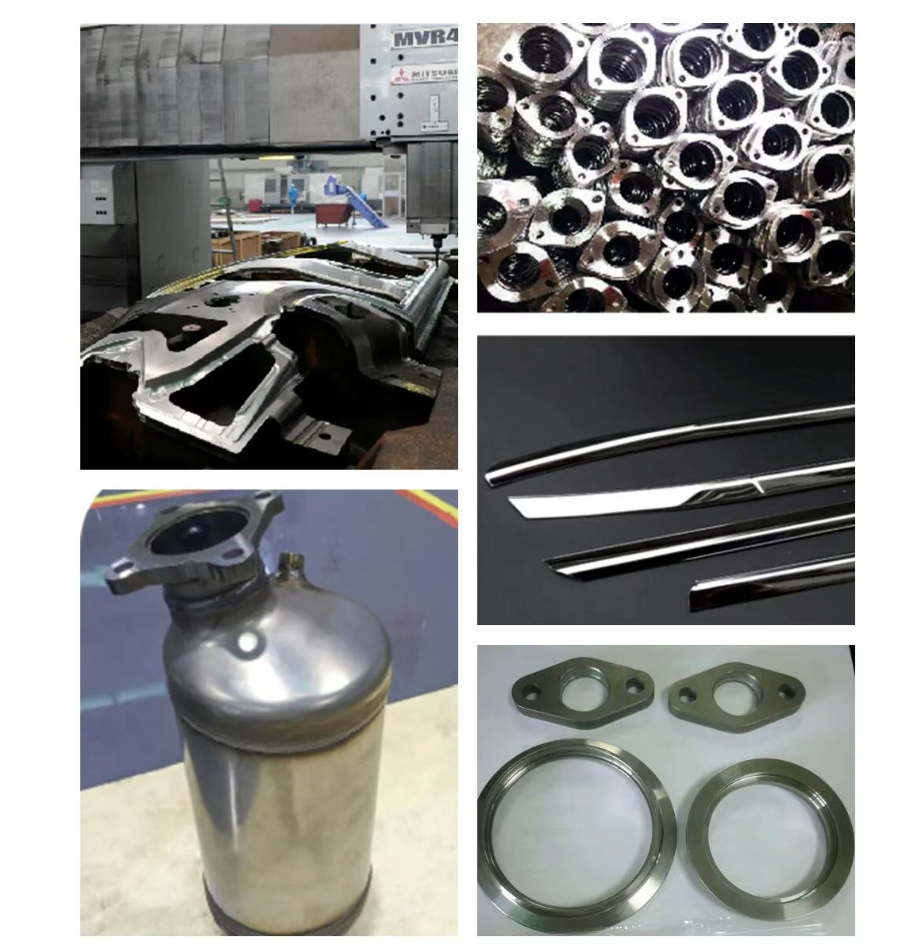
As a critical component in gasoline vehicles, automotive exhaust systems demand excellent performance in heat resistance, corrosion resistance, durability, and lightweight design. Daming has built deep expertise in this field through years of focused development in specialized market segments.
Leveraging its nationwide industrial network and a stable, high-quality supply chain, the company has developed an integrated service model that combines customized processing, precision manufacturing, and reliable delivery. This enables Daming to effectively meet the evolving needs of automakers across the entire value chain—from material sourcing to final delivery.
Its strong commitment to quality and craftsmanship, along with efficient execution and tailored solutions, has helped Daming strengthen customer trust, expand its market share, and reinforce its leading position in the automotive stainless steel sector.
Well Positioned for Long-Term Growth
While the rapid growth of new energy vehicles is reshaping the automotive industry, traditional gasoline vehicles continue to play an important role—particularly in export markets, lower-tier regions, and specialized applications. This ongoing demand supports the long-term value of high-performance exhaust stainless steel.
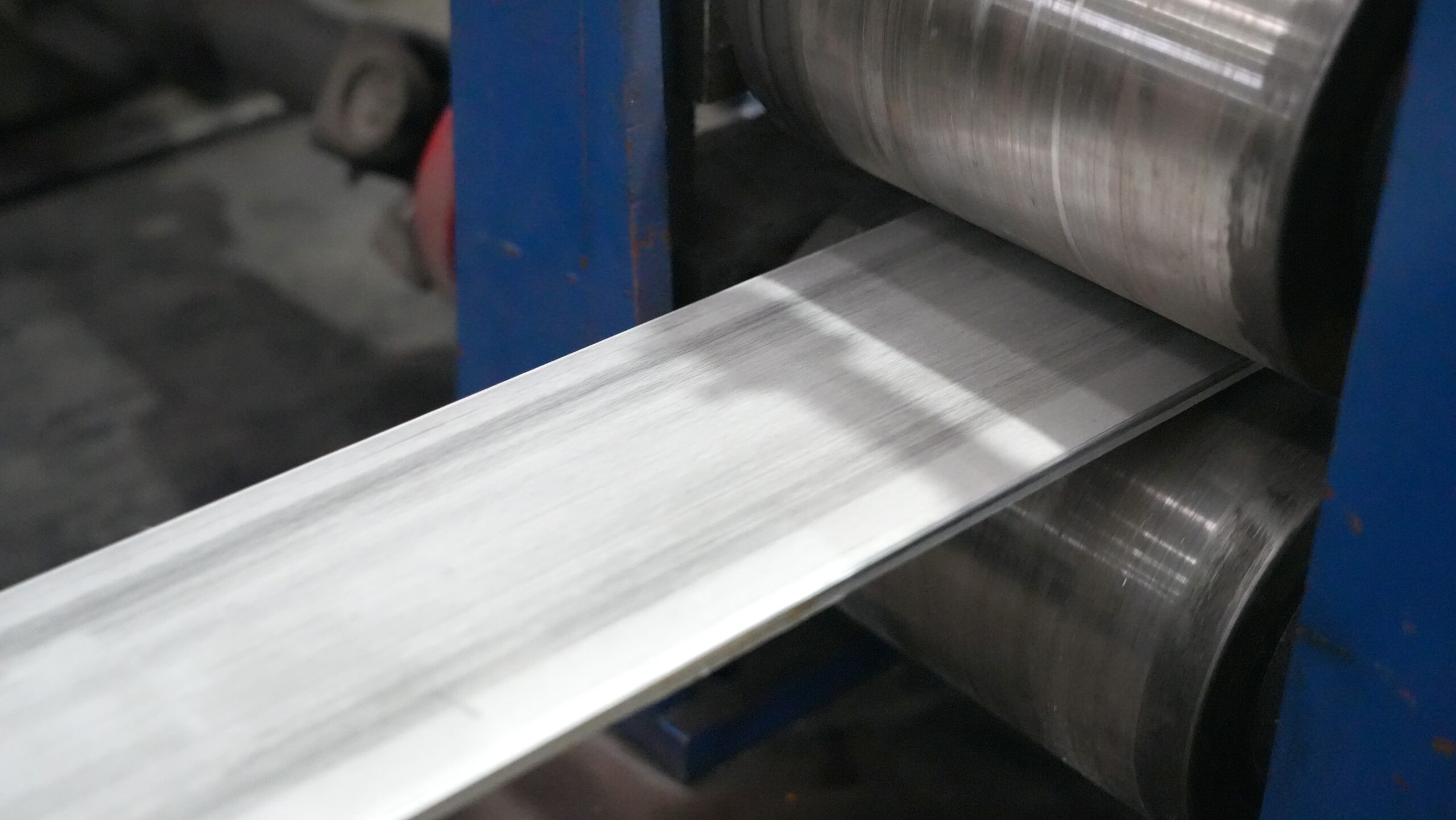
At the same time, broader industry trends such as lightweighting and vehicle upgrades are driving the expanded use of stainless steel in new applications, including vehicle bodies, chassis systems, and battery enclosures for electric vehicles. These developments present new opportunities for growth and innovation.
Looking Ahead
Daming Group stay closely aligned with shifts in the automotive sector by refining its product mix and focusing on areas where demand remains steady or is emerging. This includes maintaining its position in traditional exhaust system materials while gradually increasing its involvement in new energy vehicle applications.
Rather than pursuing rapid expansion, the company is prioritizing incremental improvements in processing efficiency, product performance, and supply chain coordination. Continued investment in engineering capabilities and customer-specific solutions will be key to adapting to changing requirements across both conventional and electric vehicle platforms.
 Japanese
  English
  Korean
  Spanish (Spain)
  Finnish
  Slovenian
  German
  Swedish
  Hungarian
  Polish
  Italian
  Portuguese
  Estonian
  Latvian
  Romanian
  French
  Lithuanian
  Greek
Greek  Spanish (Mexico)
  Czech
Czech