


Hubei Daming recently completed a time-sensitive order for specialized kiln equipment components, finishing the full production cycle one day earlier than required. The project involved more than 4,000 parts and a delivery window of just seven days, placing significant demands on production planning, process stability, and cross-functional coordination.
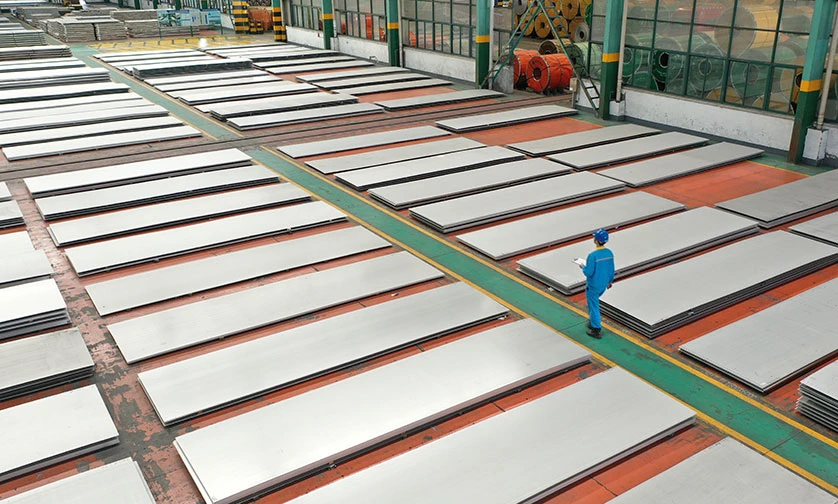
The components were manufactured from DC01 low-carbon cold-rolled steel, a material widely used in industrial fabrication for its consistent mechanical properties, smooth surface finish, and strong formability. In applications such as kiln systems—where components are often exposed to thermal cycling, mechanical stress, and long operating hours—material uniformity and dimensional accuracy are essential to ensure reliable assembly and long-term performance. Even small deviations in flatness or bending angles can affect installation alignment and operational stability.
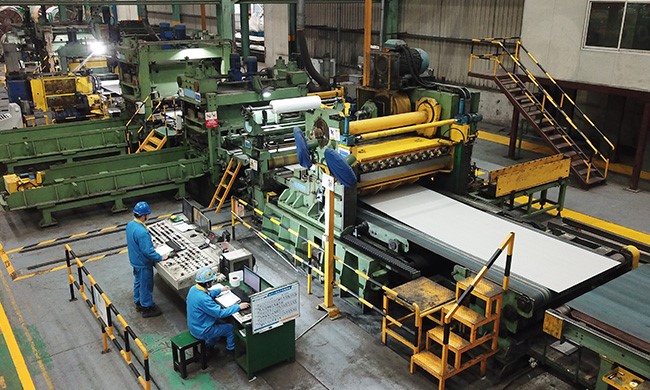
The production process for this order covered slitting, cut-to-length, cutting, and precision bending. While these are standard processes in sheet metal fabrication, the technical challenge lies in maintaining consistency across large volumes, especially when dealing with non-standard geometries. The parts in this order featured irregular shapes and varying specifications, which required tighter-than-usual control over bending radii, springback compensation, and edge alignment.
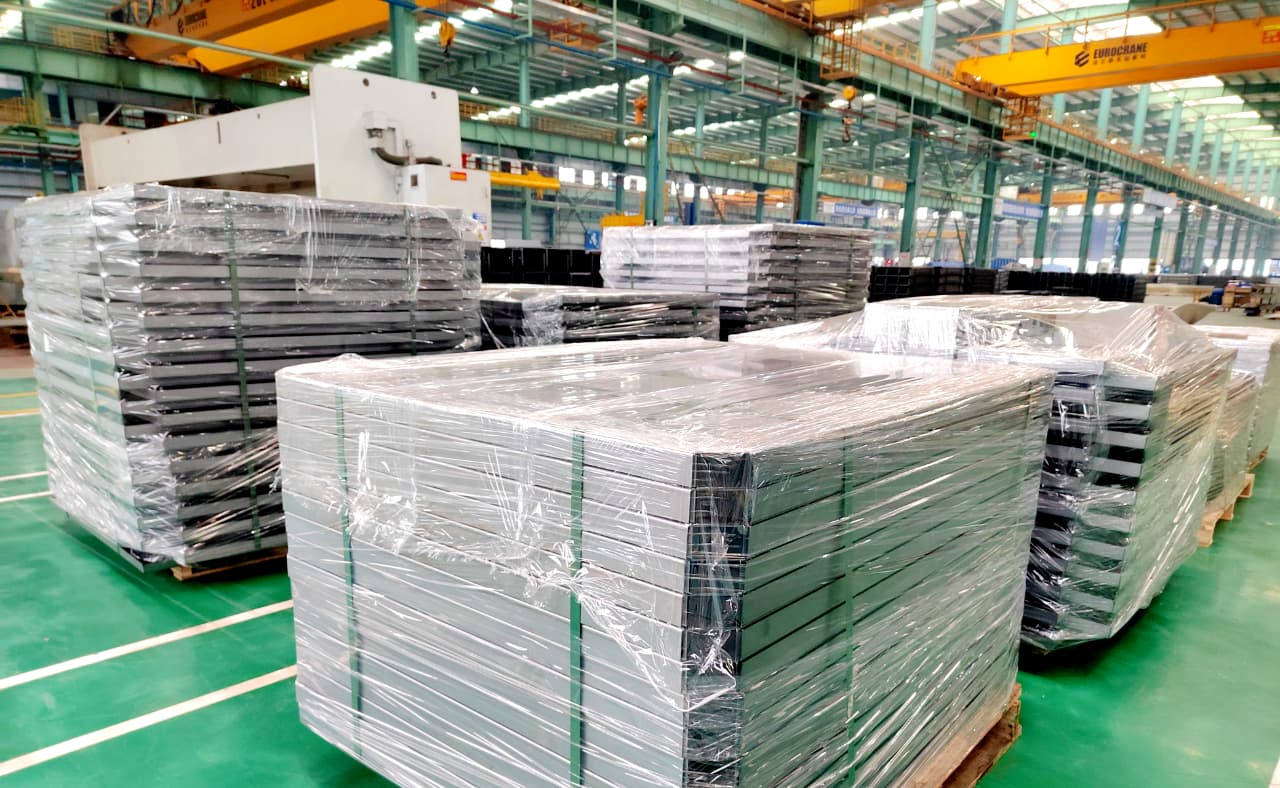
From an industrial standpoint, managing springback in cold-rolled steel is a critical factor in bending operations. Variations in material thickness, grain direction, and internal stress can lead to deviations after forming. To address this, Hubei Daming’s engineering team adjusted bending parameters based on material behavior and part geometry, ensuring that final dimensions remained within tolerance after forming. This level of process calibration is particularly important in batch production, where even minor inconsistencies can multiply across thousands of units.
Another key consideration was flatness and residual stress control during leveling and cutting. Improper leveling can introduce internal stresses that later affect bending accuracy or assembly fit. By optimizing leveling parameters and monitoring sheet condition before forming, the team reduced variability in downstream processes. This reflects a broader industry trend toward integrating upstream material control with downstream forming precision, rather than treating each process in isolation.
The project also required real-time mold adjustments and flexible tooling strategies. Instead of relying solely on fixed dies, the production team adapted tooling configurations to accommodate different part profiles. This approach reduced setup time between batches while maintaining forming accuracy. In high-mix, medium-volume production environments, such flexibility is increasingly important for balancing efficiency with customization.
Quality control was embedded throughout the production cycle rather than limited to final inspection. Dimensional checks, surface inspections, and fit-up verification were conducted at multiple stages to ensure early detection of deviations. This in-process quality assurance approach minimizes the risk of rework and is aligned with modern manufacturing practices that emphasize prevention over correction.
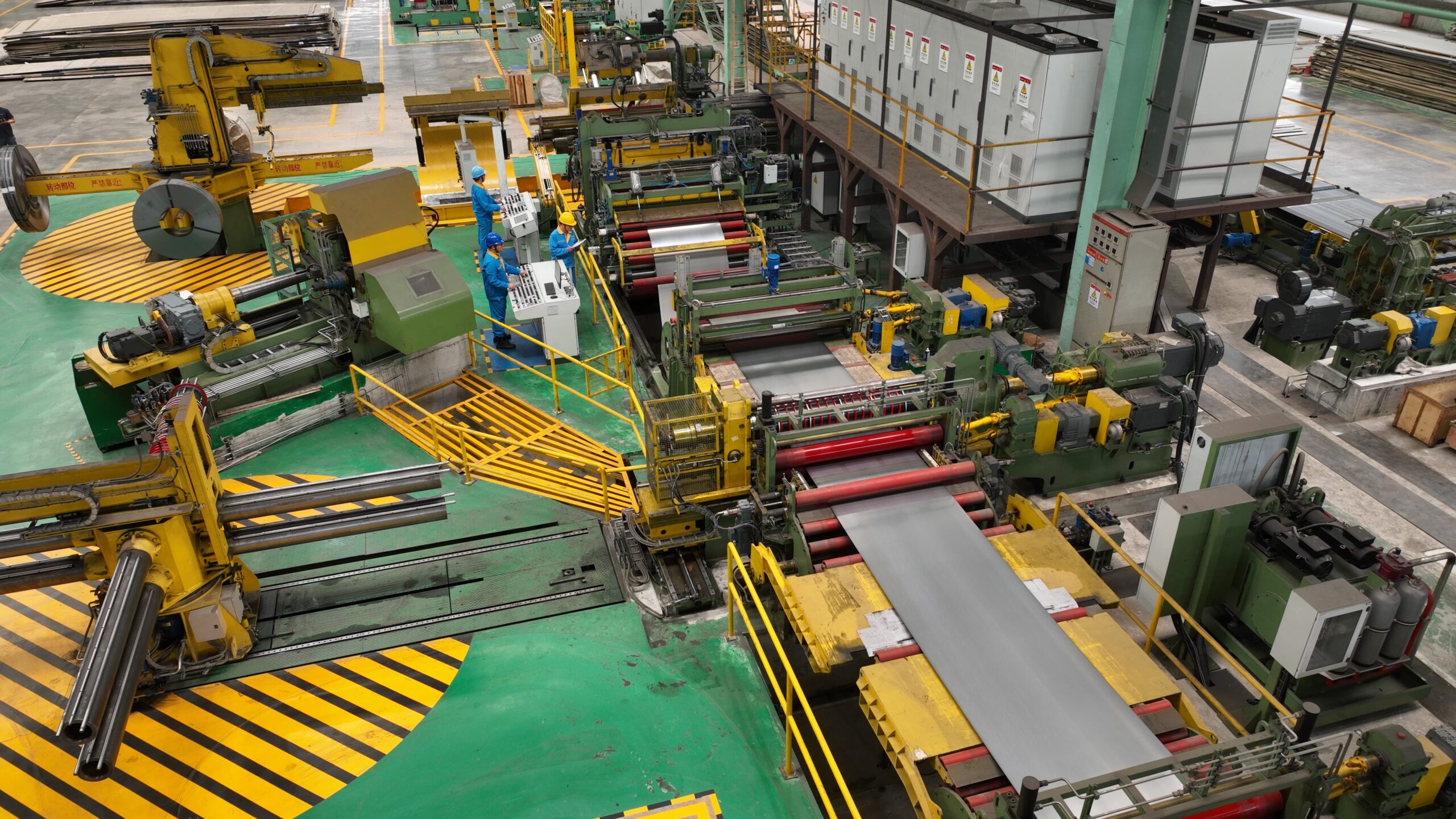
Production scheduling was another critical factor. With a compressed timeline, the team coordinated each process step to maintain continuous flow while avoiding bottlenecks. By aligning machine capacity, labor allocation, and process sequencing, Hubei Daming was able to sustain throughput without compromising precision. This level of coordination is particularly important in orders that combine large volumes with complex specifications.
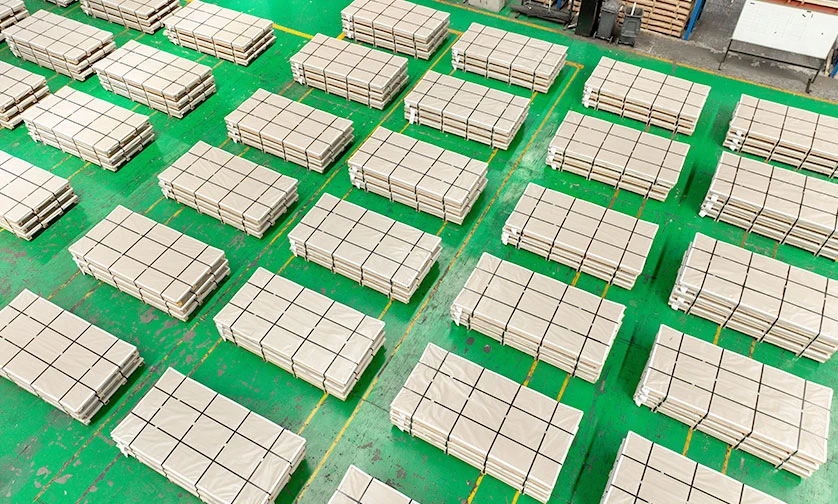
All parts passed inspection on the first submission, with no rework required. According to the customer, the final products met expectations in terms of dimensional accuracy, surface condition, and overall consistency. Early delivery also allowed additional time for downstream installation and commissioning, adding practical value beyond the manufacturing phase.
In the context of the broader industrial manufacturing sector, this project reflects the growing demand for suppliers who can combine technical understanding with execution discipline. As equipment systems become more specialized and tolerances more stringent, manufacturers are expected not only to process materials but also to actively manage variables such as material behavior, tooling adaptation, and process integration.
Daming’s handling of this order demonstrates a working approach built on detailed engineering review, controlled production processes, and integrated quality management. Rather than relying on standardized workflows alone, the company applies process adjustments based on specific project requirements—an approach that is increasingly important in today’s precision manufacturing environment.
 Spanish (Mexico)
  English
  Japanese
  Korean
  Spanish (Spain)
  Finnish
  Slovenian
  German
  Swedish
  Hungarian
  Polish
  Italian
  Portuguese
  Estonian
  Latvian
  Romanian
  French
  Lithuanian
  Greek
Greek  Czech
Czech