
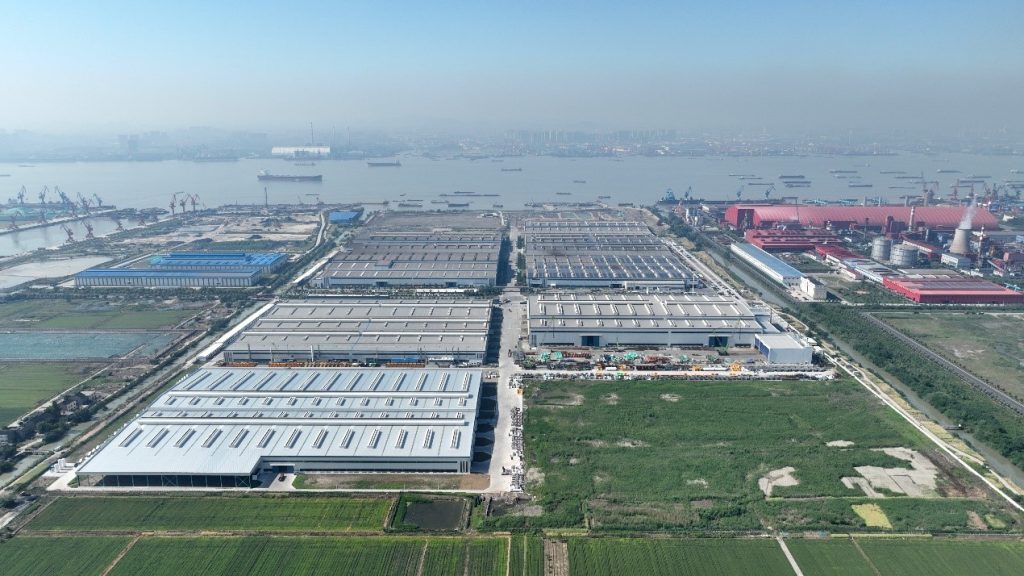

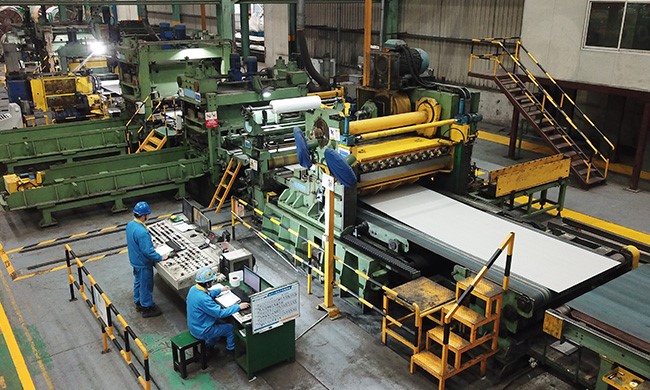
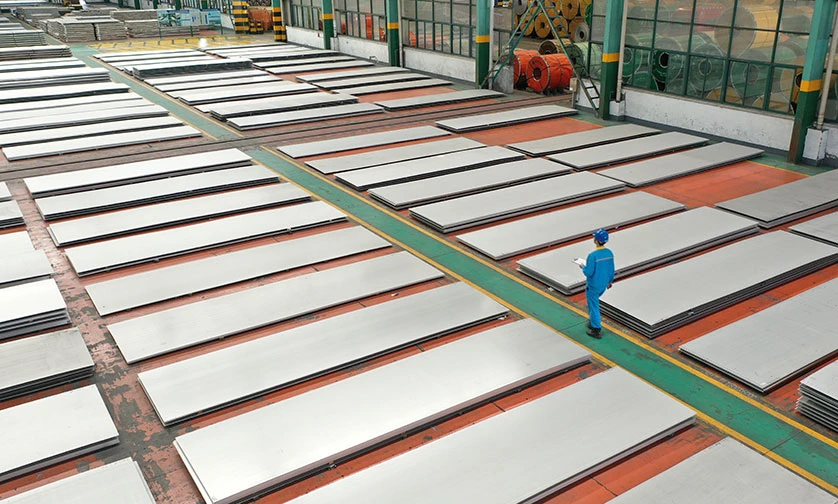
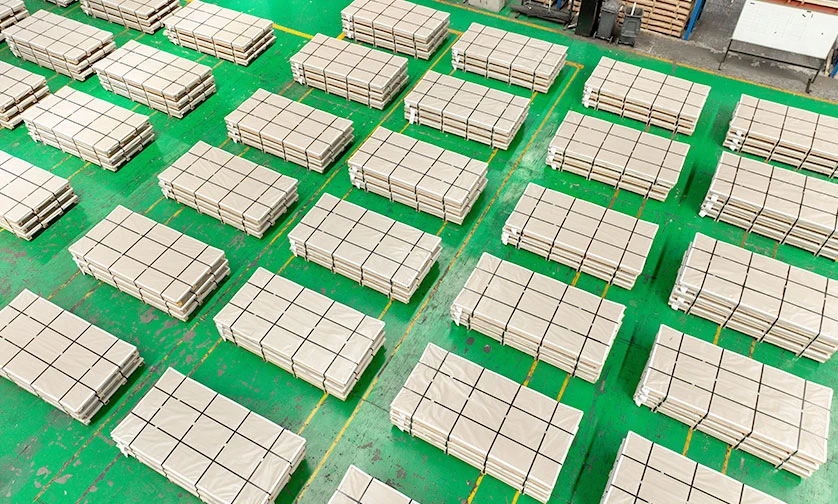
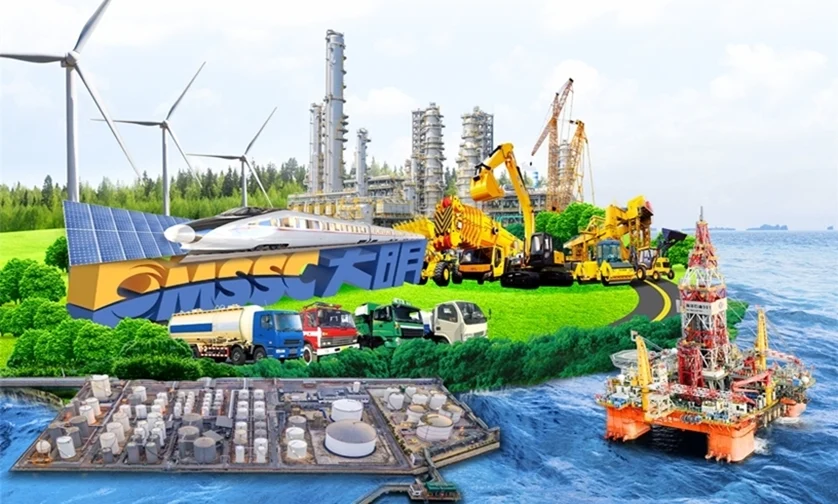
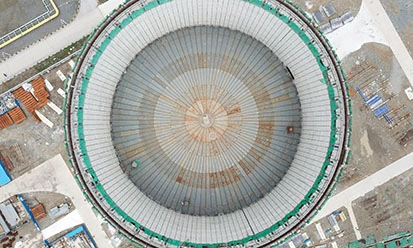
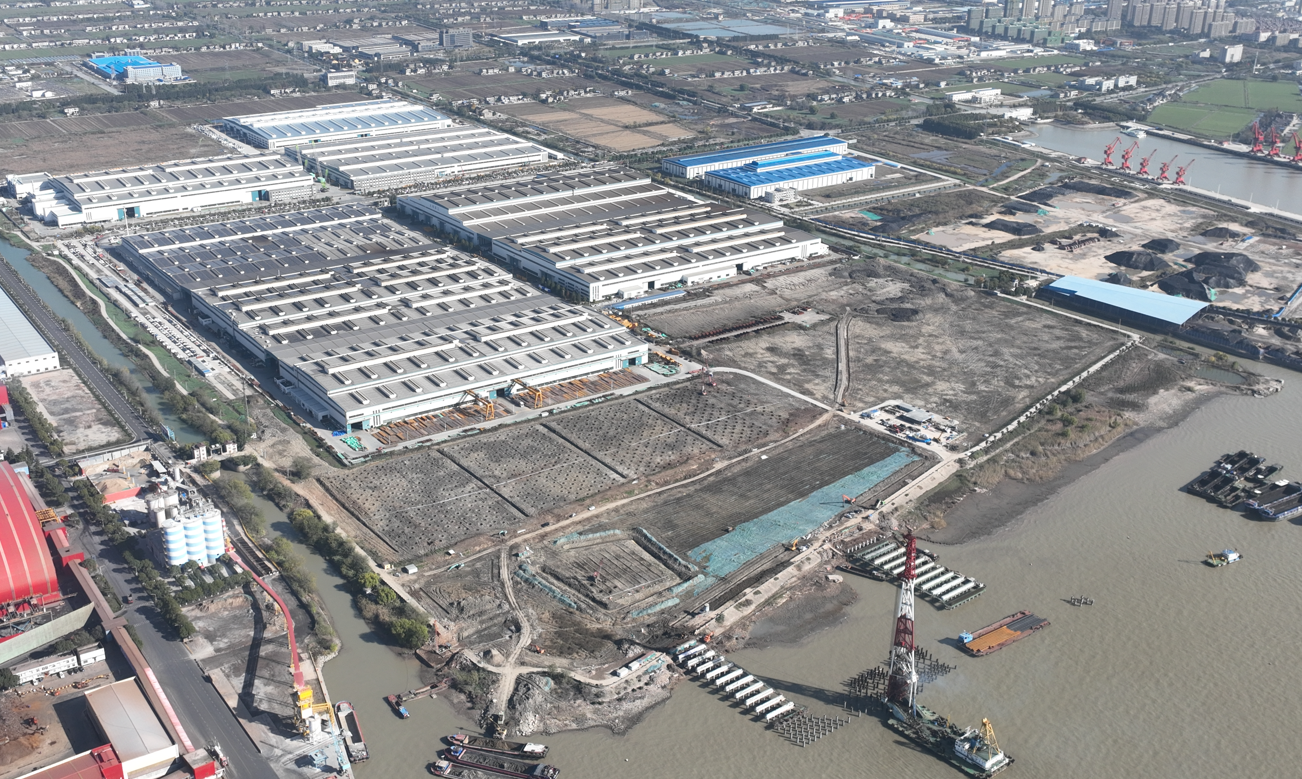
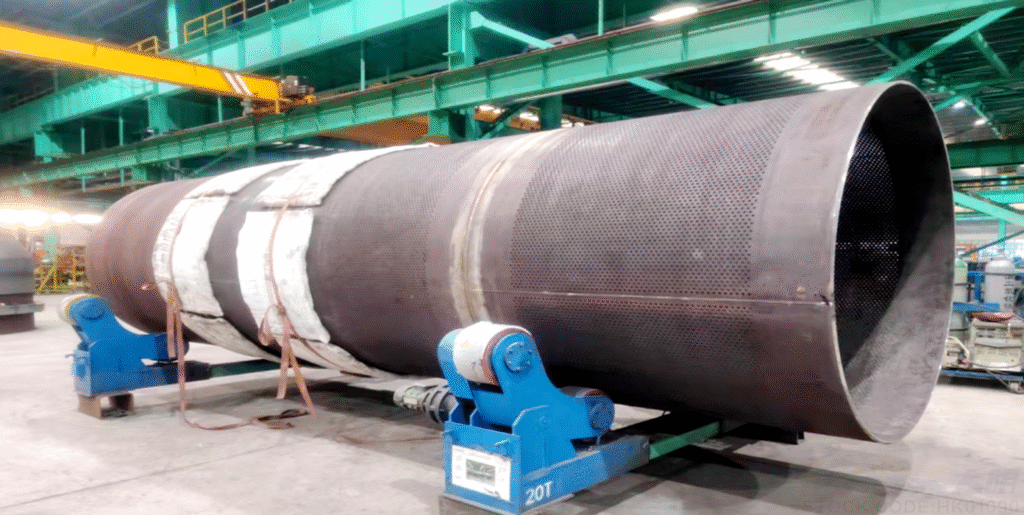
Shandong Daming has recently achieved a monumental milestone in materials engineering with the successful completion of their high-end NM400 wear-resistant steel trommel project as one of Daming’s 11 processing centers. This marks a significant advancement in overcoming long-standing technical challenges related to multi-material welding, an issue that has persisted in the industrial sector for years. The trommel, constructed with a robust 16mm-thick NM400 steel cylinder, is coupled with structural components made from 45# steel and Q235B. It’s engineered to withstand the extreme wear and tear conditions found in industries such as mining, environmental protection, and heavy-duty manufacturing.
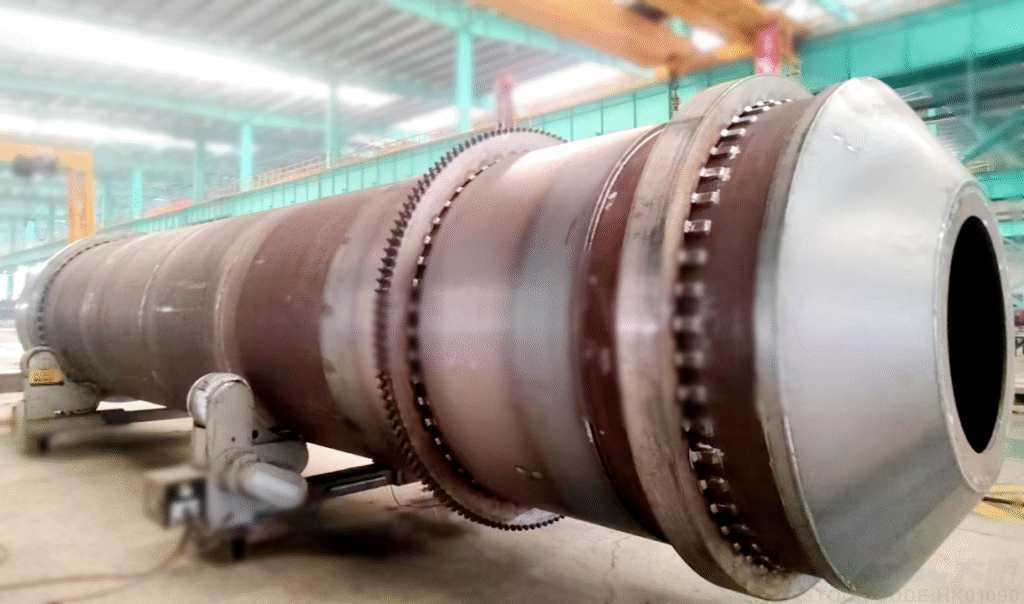
The Importance of Wear-Resistant Materials in High-Stress Environments
Wear-resistant steels, such as NM400, are vital in industries that require machinery and equipment to endure extreme operational stress. Mining, construction, and environmental protection systems are just a few examples where the harsh conditions of abrasion, impact, and corrosion can significantly shorten the lifespan of equipment. The NM400 steel offers superior hardness and toughness, making it ideal for applications where durability is crucial. However, its welding complexity and challenges have long hindered its potential for integration with other structural materials, which is why Shandong Daming’s successful project represents such a breakthrough.
The trommel designed by Shandong Daming is intended for environments where large quantities of material are processed, such as in sorting, filtering, and processing in mining or waste management operations. The challenge of welding different materials, particularly NM400 and softer metals like 45# steel, is rooted in the differences in their mechanical properties—thermal expansion, strength, and hardness. Combining such materials can result in stress concentrations at the joints, causing potential cracking and structural failure over time. Therefore, the ability to weld these materials together with reliability is a significant advancement that promises both cost savings and improved operational efficiency.
Overcoming the Welding Challenge: A Multi-Phase Approach
The key challenge in this project was the multi-material welding process, particularly the difficulty in welding NM400 steel to 45# steel and Q235B—materials with significantly different physical properties. NM400 steel, known for its exceptional hardness and wear resistance, can be notoriously difficult to weld. The welding process needs to mitigate the risks of joint weaknesses, stress concentration, and cracking, all of which are exacerbated by the different coefficients of thermal expansion between the materials. Achieving a reliable, long-lasting weld was a hurdle that Shandong Daming’s dedicated technical team had to overcome.
To address this, Shandong Daming focused on several critical phases in the welding process:
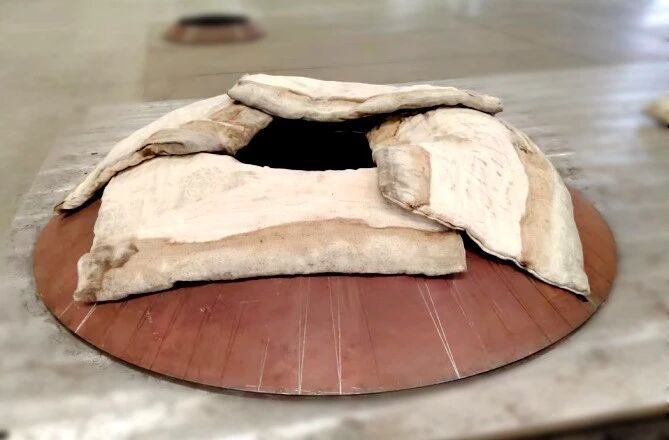
Pre-Welding Phase: Before welding, the company focused on carefully controlling the preheating of the materials to minimize thermal stresses. By managing the temperature variations between NM400 and the other materials, they were able to reduce the likelihood of cracks forming during the welding process. Pre-heating also helped reduce the risk of distortion or warping, ensuring that the materials fit together precisely.
Welding Phase: The selection of the right filler materials and the precise control of welding parameters were paramount. Shandong Daming used specialized welding consumables tailored to the challenges of high-hardness steel. They also employed advanced techniques like controlled heat input and slower cooling rates, which helped create stronger, more consistent joints. By experimenting with different welding methods—such as TIG (Tungsten Inert Gas) and MAG (Metal Active Gas)—they were able to find the ideal process for this specific combination of materials.
Post-Welding Phase: After welding, Shandong Daming applied a series of heat treatments, including tempering and stress-relief annealing, to relieve residual stresses that can develop from the welding process. These treatments ensured that the welded joints performed just as well as the base materials and enhanced the overall strength of the trommel structure.
Precision Machining for Accuracy
In addition to the welding challenges, the trommel project required high-precision machining, particularly when it came to drilling holes into the NM400 steel cylinder. Precision is crucial to ensure the trommel body’s functionality and durability while maintaining the structural integrity of the welded joints. To address this, Shandong Daming collaborated with a partner company based in Jiangsu, known for its cutting-edge machining technologies. This partnership allowed them to employ advanced CNC (Computer Numerical Control) equipment that could accurately drill the necessary holes while preserving the material properties of the NM400 steel.
Industry Trends and the Future of Wear-Resistant Steel
The success of Shandong Daming’s NM400 trommel project highlights a growing trend in the industry: the increasing use of high-strength, wear-resistant steels in heavy-duty machinery. As industries like mining and waste management continue to evolve and demand more durable and efficient equipment, manufacturers are turning to advanced materials and specialized welding techniques to meet these needs.
One significant trend is the development of composite materials, which combine the best properties of different materials to optimize performance. In the case of the NM400 trommel, the combination of wear-resistant steel with 45# steel and Q235B resulted in a structure that balances strength, durability, and cost-effectiveness. Manufacturers are also exploring thermally treated steels and multi-layer composite coatings to further enhance the life cycle of heavy machinery.
Additionally, innovations in robotic welding and automation are helping to overcome the challenges of multi-material welding by providing precise control over every aspect of the welding process. These technologies are allowing manufacturers to achieve even higher-quality joints and greater efficiency in production.
Shandong Daming’s project also underscores the growing importance of collaboration in solving complex industrial challenges. By working closely with specialists in machining, welding, and materials science, the company was able to overcome the challenges associated with composite welding and deliver a highly functional and durable product. This spirit of innovation and cooperation will continue to drive advancements in the manufacturing of wear-resistant materials.
Looking Ahead: The Road to Future Innovations
Shandong Daming’s achievement in completing the NM400 wear-resistant steel trommel is just the beginning of a promising future in the field of materials science. The company has already begun exploring new ways to further improve its welding techniques and expand its use of high-strength steels in various industrial applications. The focus on continuous improvement, backed by rigorous testing and specialized expertise, positions Shandong Daming as a leader in the field of advanced material engineering.
Moving forward, Shandong Daming aims to enhance its capabilities in multi-material composite welding and continue developing solutions for industries that demand ever-greater durability and performance from their equipment. As the mining and construction sectors increasingly rely on sophisticated machinery, the company’s commitment to innovation will help ensure they remain at the forefront of providing cutting-edge, cost-effective solutions that meet the toughest industry demands.
 Czech
Czech  English
  Japanese
  Korean
  Spanish (Spain)
  Finnish
  Slovenian
  German
  Swedish
  Hungarian
  Polish
  Italian
  Portuguese
  Estonian
  Latvian
  Romanian
  French
  Lithuanian
  Greek
Greek  Spanish (Mexico)